Discovery and initial characterization
Researchers at the University of Zagreb identified BPC-157 as a stable fragment of a larger protein found in human gastric juice. Early studies by Sikiric et al. established the compound's stability in acidic environments and began documenting its effects in gastrointestinal injury models.
J Pharmacol Exp Ther
Tendon and ligament research begins
A study published in the Journal of Orthopaedic Research examined BPC-157 in a rat Achilles tendon transection model. Researchers documented changes in biomechanical measurements and collagen organization markers between treated and control groups.
J Orthop Res
Gastrointestinal cytoprotection studies expand
Multiple publications explored BPC-157's effects on experimentally induced gastric ulcers, intestinal anastomosis healing, and inflammatory bowel models. Researchers documented changes in mucosal healing markers and lesion measurements across several rodent models.
J Physiol Paris
Detailed Achilles tendon repair study
Staresinic et al. published a study examining transected rat Achilles tendons. The research documented changes in biomechanical measurements, functional indices, and collagen formation between BPC-157 and control groups, significantly expanding research interest in musculoskeletal models.
J Orthop Res · PMID: 14554208
Growth factor receptor research
Chang et al. published findings documenting dose- and time-dependent changes in growth hormone receptor expression measurements in tendon fibroblasts. A follow-up study documented changes in tendon explant outgrowth and cell survival markers under oxidative stress conditions.
J Appl Physiol · PMID: 21030672
Nitric oxide system interactions documented
Research teams explored BPC-157's relationship with the nitric oxide (NO) system, including interactions with NO synthase pathways. These studies positioned BPC-157 within a broader signaling framework involving vascular function and tissue remodeling.
Curr Pharm Des
Angiogenesis and pathway signaling research
Several publications examined BPC-157's effects on angiogenesis-related pathways, including VEGF expression and FAK-paxillin signaling. Researchers began mapping the compound's influence on cell migration and vascular formation in preclinical models.
Systematic review of 36 studies
Vasireddi et al. published a systematic review in the Orthopaedic Journal of Sports Medicine analyzing 36 studies from 1993 to 2024. The review documented changes in growth hormone receptor expression and in pathways associated with cell growth and angiogenesis across the examined preclinical models.
Orthop J Sports Med · PMID: 40756949
Why This Research Matters
The research trajectory of BPC-157 shows a clear progression from basic gastrointestinal studies to a broader understanding of tissue repair mechanisms. Over three decades, published research has expanded from simple cytoprotection models to complex pathway analyses involving growth factor receptors, angiogenesis, and nitric oxide signaling. The 2025 systematic review represents an important milestone — consolidating findings from dozens of studies into a structured framework that informs future preclinical research directions.
Explore More
Compound Research Kits
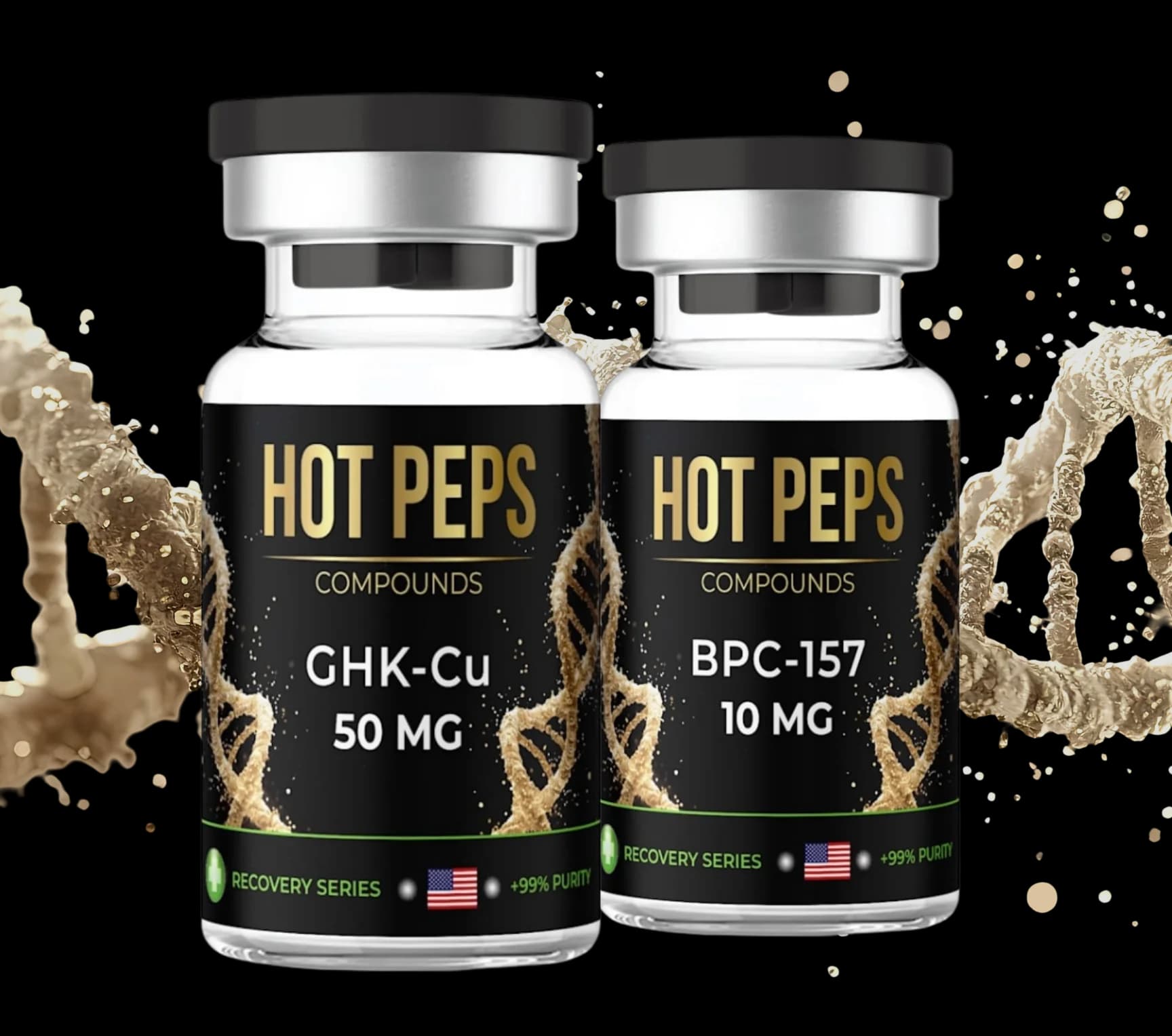

All information presented in this article references published research literature and is intended for educational purposes only. Research peptides are sold strictly for laboratory research use and are not approved for human consumption or medical treatment.