Published Research Summaries
Hot Peps compounds are selected based on published peer-reviewed preclinical and clinical literature. Below are summarized findings from studies involving the compounds in our catalog. All products are sold for research purposes only.


3 compounds
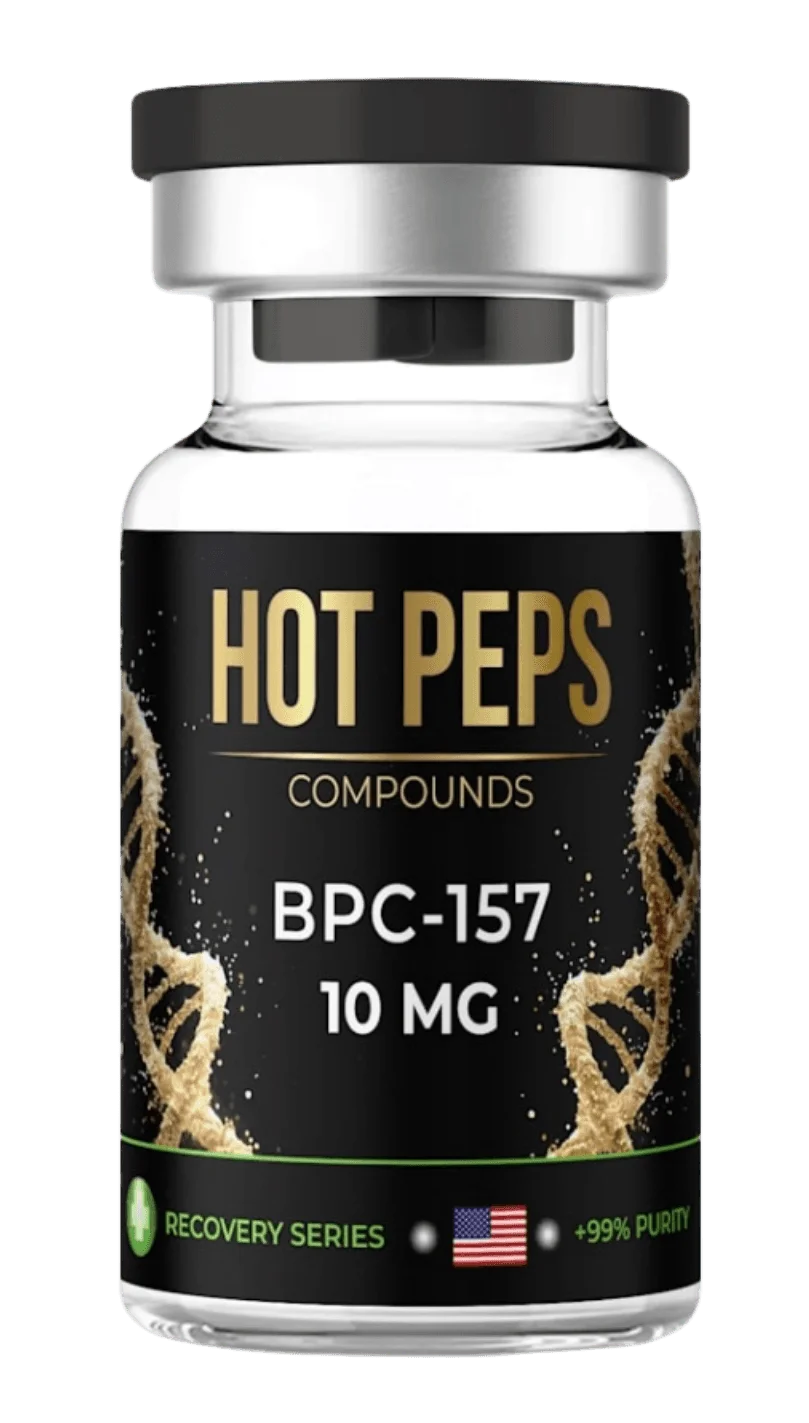
BPC-157
10mg · ≥99%
- A 2025 systematic review in the Orthopaedic Journal of Sports Medicine (Vasireddi et al.) analyzed 36 studies from 1993–2024. Researchers documented changes in growth hormone receptor expression and in pathways associated with cell growth and angiogenesis across the examined preclinical models.
- Research published in the Journal of Applied Physiology (Chang et al., 2011) examined rat Achilles tendon fibroblast cultures and documented changes in tendon explant outgrowth and in cell survival markers under oxidative stress conditions.
- A study in the Journal of Orthopaedic Research (Staresinic et al., 2003) examined transected rat Achilles tendons. Investigators documented differences in biomechanical measurements, functional indices, and collagen formation between treated and control groups.
- Research in Molecules (Chang et al., 2014) documented dose- and time-dependent changes in growth hormone receptor expression at both mRNA and protein levels in tendon fibroblast culture models.
Research suggests BPC-157 may interact with nitric oxide signaling, growth factor expression, and FAK-paxillin pathways involved in cell migration and tissue remodeling processes.
Key Citations- Vasireddi N, et al. Emerging Use of BPC-157 in Orthopaedic Sports Medicine: A Systematic Review. Orthop J Sports Med. 2025.PMID: 40756949
- Chang CH, et al. Pentadecapeptide BPC-157 in tendon healing research. J Appl Physiol. 2011;110(3):774-780.PMID: 21030672
- Staresinic M, et al. Gastric pentadecapeptide BPC-157 in transected rat Achilles tendon healing research. J Orthop Res. 2003;21(6):976-983.PMID: 14554208
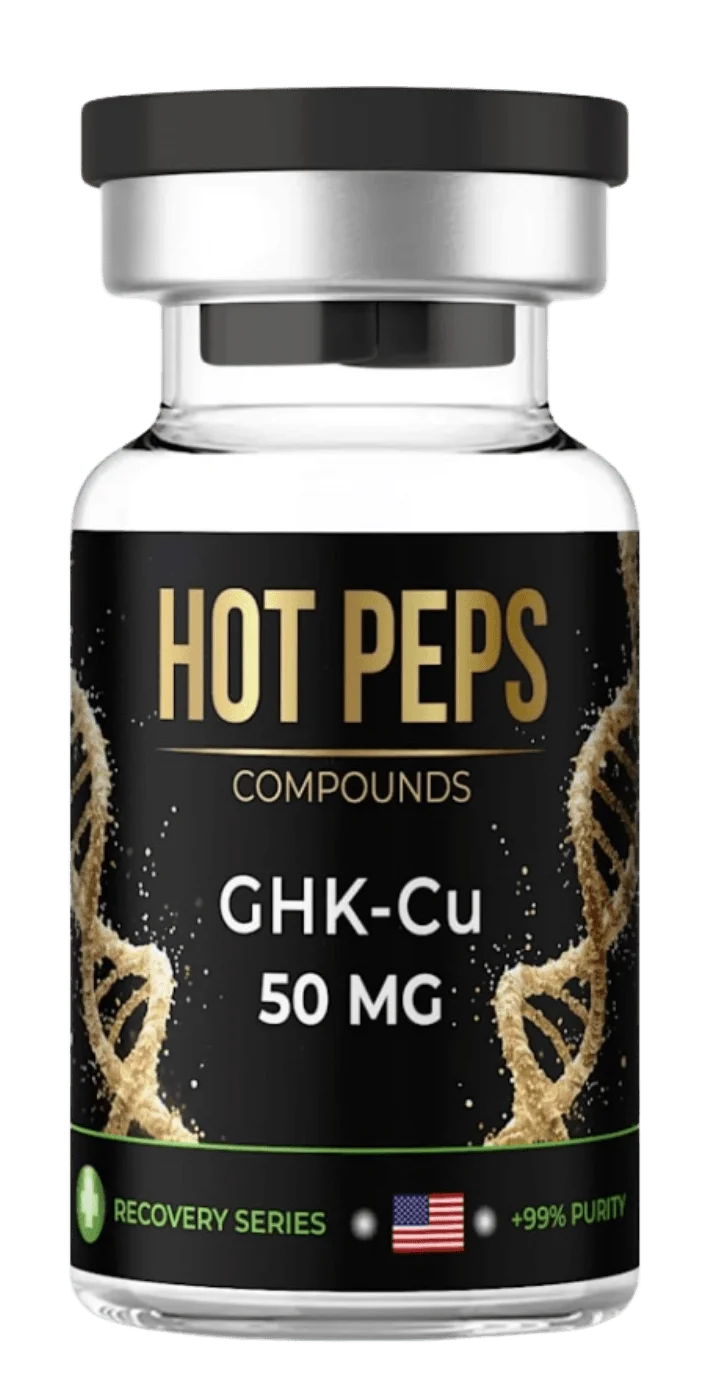
GHK-Cu
50mg · ≥98%
- A comprehensive review in the International Journal of Molecular Sciences (Pickart & Margolina, 2018) compiled findings across multiple tissue models, documenting changes in collagen synthesis markers, blood vessel and nerve outgrowth indicators, and glycosaminoglycan production observed in the presence of GHK-Cu.
- Research published in Archives of Facial Plastic Surgery (Pollard et al., 2005) documented changes in replicative markers in irradiated fibroblast cultures and changes in growth factor secretion (bFGF and VEGF) measured in laboratory models.
- Studies in wound healing models documented increased collagen synthesis measurements in rat tissue models when collagen dressings were prepared with GHK.
- Gene profiling studies using the Broad Institute Connectivity Map documented expression changes across more than 4,000 human genes, including genes associated with antioxidant response, inflammation, and tissue remodeling pathways.
GHK-Cu is proposed to function through copper delivery to cells, gene expression modulation, and interaction with multiple signaling pathways associated with tissue repair and remodeling research.
Key Citations- Pickart L, Margolina A. Regenerative and Protective Actions of the GHK-Cu Peptide. Int J Mol Sci. 2018;19(7):1987.PMID: PMC6073405
- Pollard JD, et al. Effects of Copper Tripeptide on the Growth of Fibroblasts. Arch Facial Plast Surg. 2005;7(1):27-31
- Pickart L. GHK Peptide as a Natural Modulator of Multiple Cellular Pathways in Skin Regeneration. Biomed Res Int. 2015.PMID: 26236730
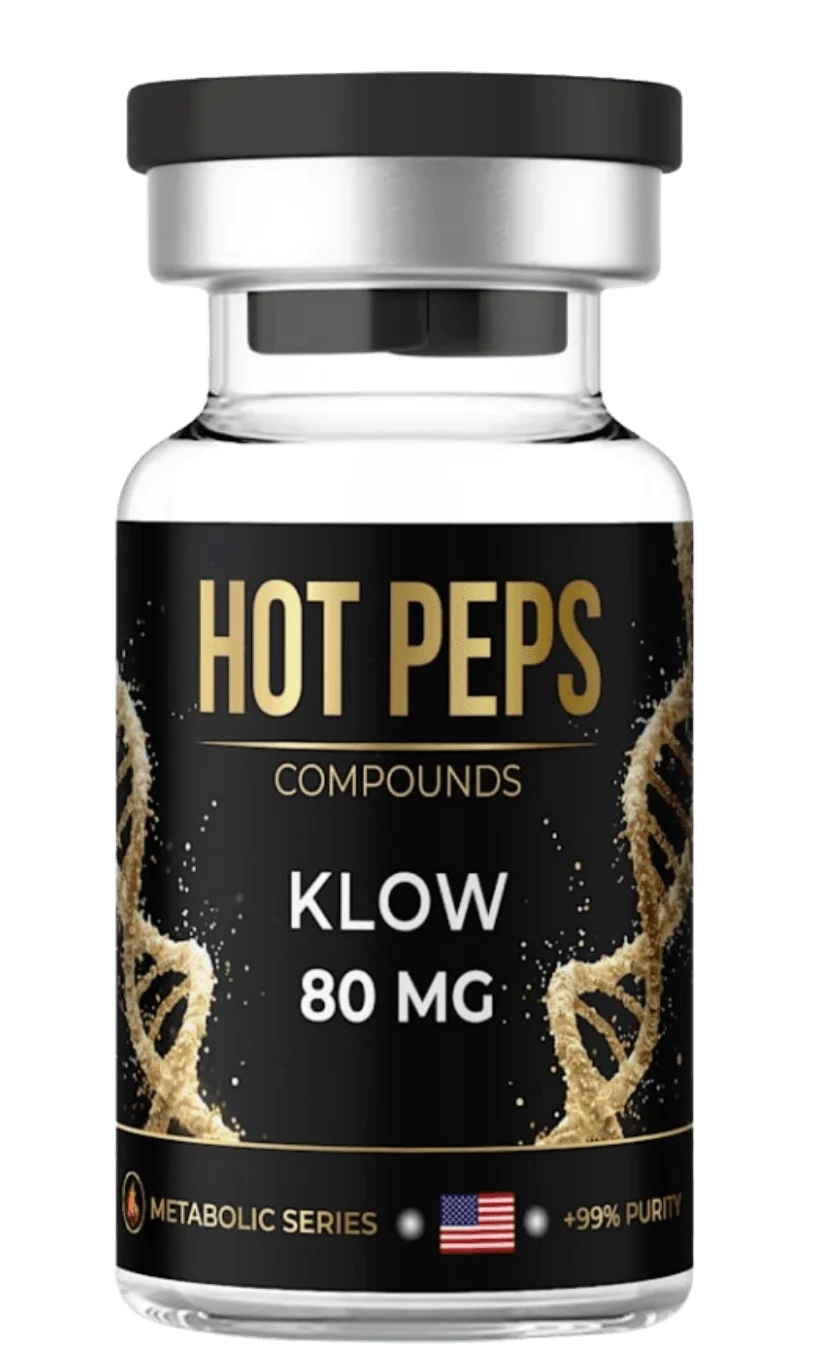
KLOW
80mg · ≥99%
- GHK-Cu component: A 2018 review in International Journal of Molecular Sciences (Pickart & Margolina) compiled findings across multiple tissue research models, documenting changes in collagen synthesis markers, blood vessel and nerve outgrowth indicators, and gene-expression measurements across more than 4,000 human genes.
- KPV (Lys-Pro-Val) component: Research published in Immunology Today (Lipton & Catania, 1997) documented KPV as the C-terminal active fragment of α-melanocyte stimulating hormone, with engagement studied in inflammatory signaling pathway research.
- BPC-157 component: A 2025 systematic review in the Orthopaedic Journal of Sports Medicine (Vasireddi et al.) analyzed 36 preclinical studies from 1993–2024, documenting changes in growth hormone receptor expression and pathways associated with cell growth and angiogenesis.
- TB-500 (Thymosin β4 fragment) component: Research published in Trends in Molecular Medicine (Goldstein et al., 2005) documented Thymosin β4 as an actin-sequestering protein examined in tissue repair signaling research.
KLOW combines four peptides studied for distinct interactions with tissue repair pathway research: copper-mediated gene expression (GHK-Cu), inflammatory signaling engagement (KPV), nitric-oxide and growth-factor pathway interaction (BPC-157), and actin-cytoskeleton / cell migration signaling (TB-500).
Key Citations- Pickart L, Margolina A. Regenerative and Protective Actions of the GHK-Cu Peptide. Int J Mol Sci. 2018;19(7):1987.PMID: PMC6073405
- Lipton JM, Catania A. Anti-inflammatory actions of the neuroimmunomodulator α-MSH. Immunol Today. 1997;18(3):140-145.PMID: 9078687
- Vasireddi N, et al. Emerging Use of BPC-157 in Orthopaedic Sports Medicine: A Systematic Review. Orthop J Sports Med. 2025.PMID: 40756949
- Goldstein AL, et al. Thymosin beta4: actin-sequestering protein moonlights to repair injured tissues. Trends Mol Med. 2005;11(9):421-429.PMID: 16111920


2 compounds
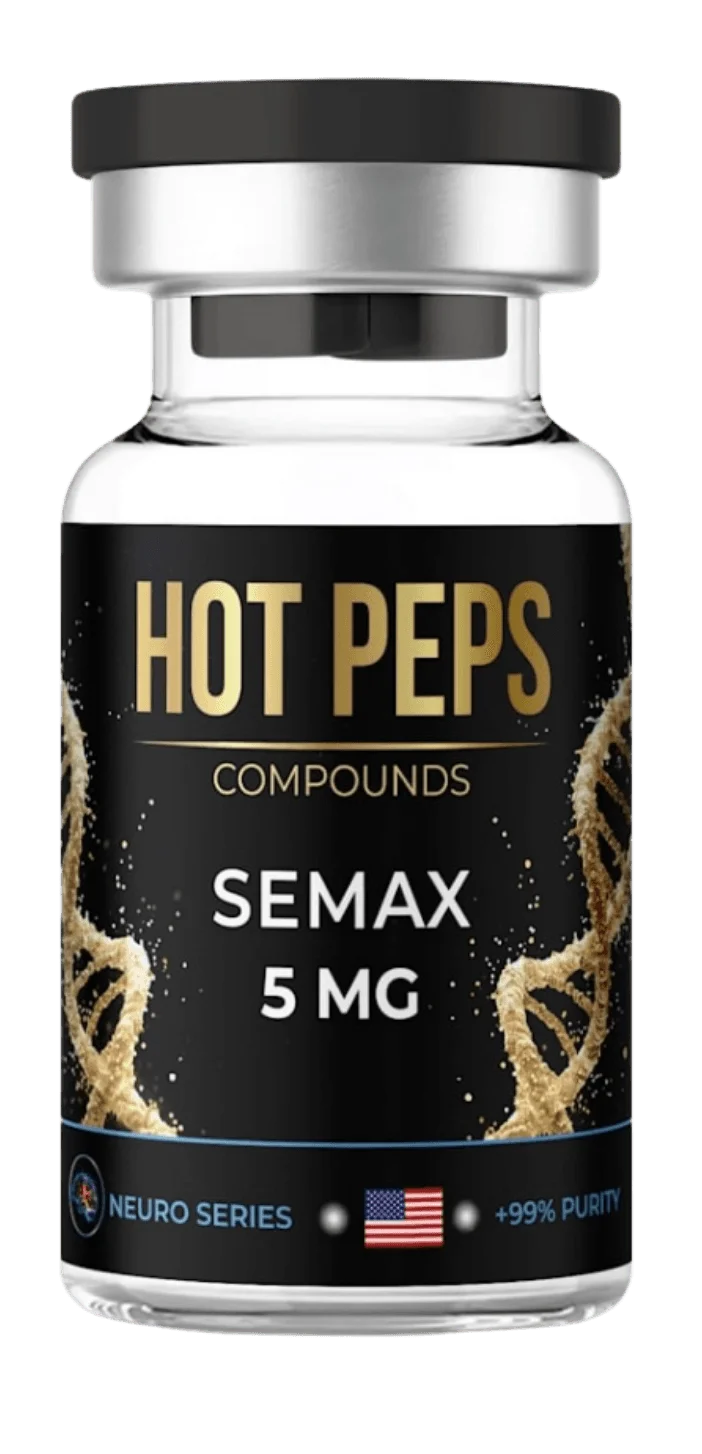
Semax
5mg · ≥99%
- Research published in Russian pharmacology journals documented changes in BDNF (brain-derived neurotrophic factor) expression in rat hippocampus and cortex measurements following intranasal administration in animal models.
- Studies have examined experimental endpoints related to attention, memory, and learning in rodent models, with researchers documenting changes in dopaminergic and serotonergic system markers.
- Studies have examined potential neuroprotective markers in various experimental stress and injury research models.
- Transcriptomic studies have documented expression changes across hundreds of genes in brain tissue samples, including genes associated with immune response, neurotransmitter metabolism, and vascular function.
Semax is proposed to interact with BDNF signaling and to engage melanocortin receptor activity without affecting cortisol levels. Research suggests involvement in attention and cognitive processing pathway studies.
Key Citations- Dolotov OV, et al. Semax, an analog of ACTH(4-10) with cognitive effects, regulates BDNF and trkB expression. Brain Res. 2006;1117(1):54-60
- Ashmarin IP, et al. Nootropic and analgesic effects of Semax. Zh Vyssh Nerv Deiat Im I P Pavlova. 2001;51(4):420-426
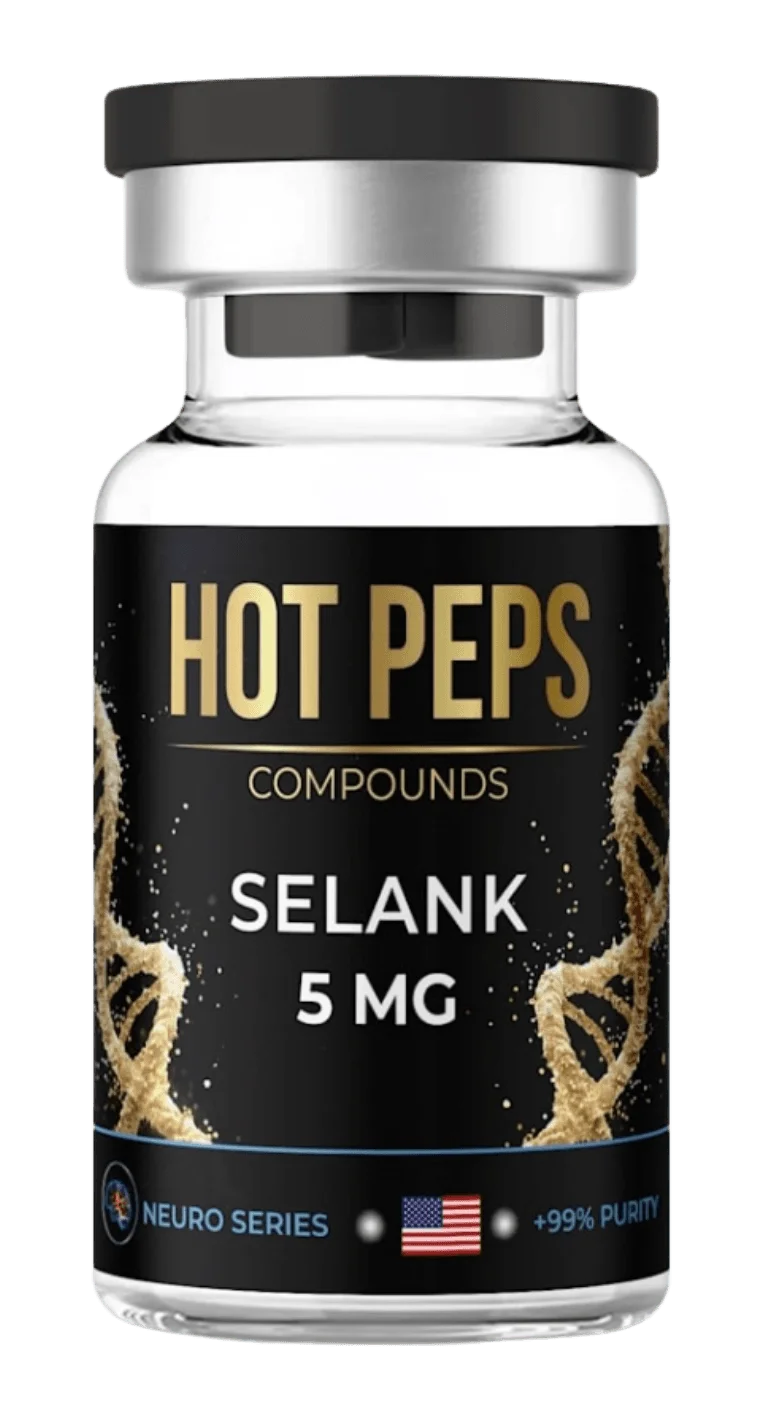
Selank
5mg · ≥99%
- Research published in Russian journals documented expression changes across genes associated with GABAergic neurotransmission in animal model brain tissue.
- Studies have examined behavioral endpoints in rodent models and documented stress-response pathway markers in laboratory observations.
- Research has documented immunomodulatory markers consistent with Selank's derivation from the immunopeptide tuftsin.
- Behavioral and transcriptomic studies have examined GABA receptor signaling gene expression in hippocampus and frontal cortex tissue samples.
Selank is proposed to interact with GABAergic neurotransmission signaling and to engage IL-6 expression pathways. Research suggests involvement in stress-response pathway studies and immune system signaling research.
Key Citations- Kozlovskii II, Danchev ND. The optimizing action of the synthetic peptide Selank on a conditioned active avoidance reflex in rats. Neurosci Behav Physiol. 2003;33(7):639-643
- Seredenin SB, et al. Pharmacogenetic analysis of mechanisms of emotional stress. Ann Ist Super Sanita. 1990;26(1):81-84


2 compounds
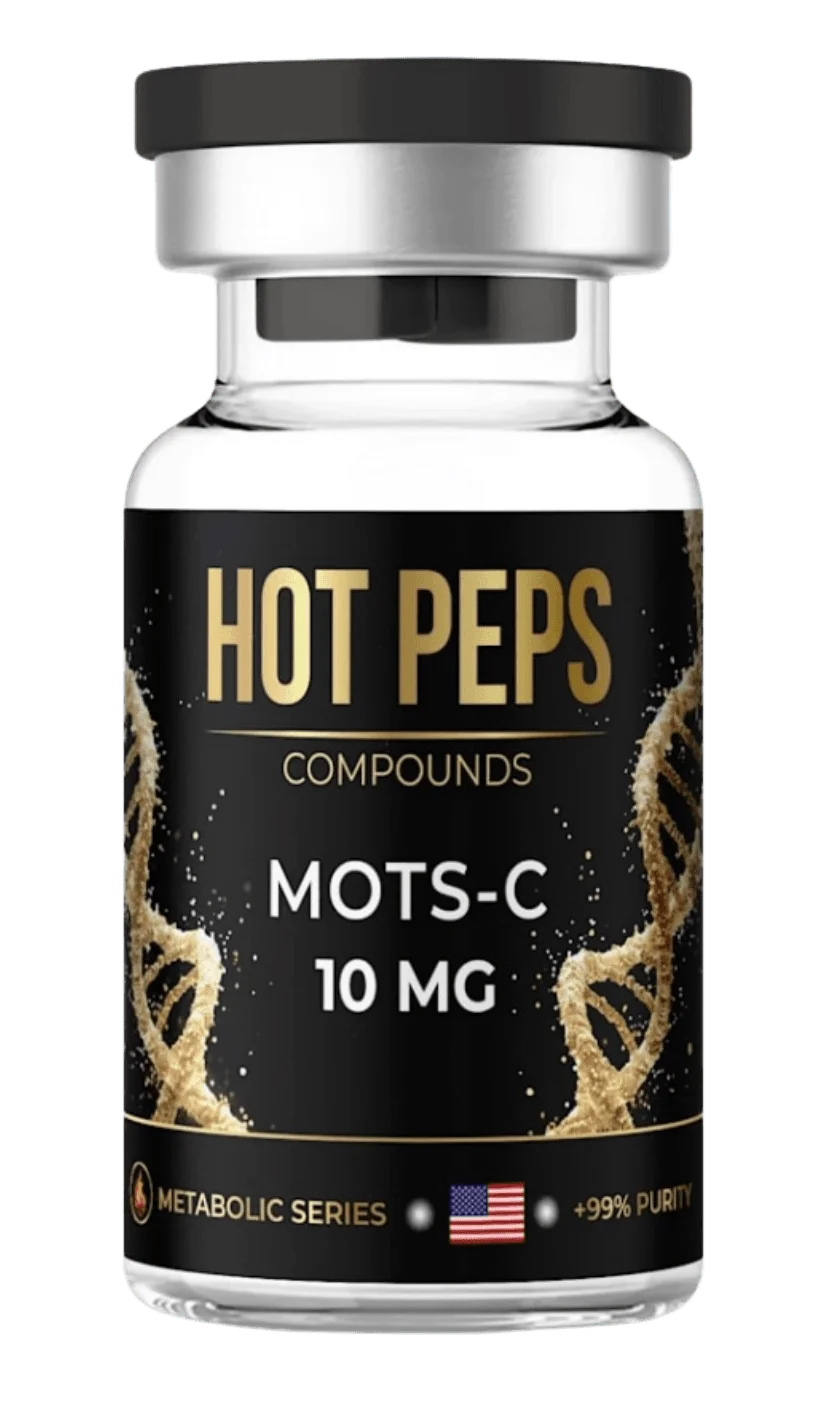
MOTS-C
10mg · ≥99%
- A study published in Nature Communications (Reynolds et al., 2021) characterized MOTS-c as an exercise-induced mitochondrial-encoded peptide and documented changes in age-associated metabolic markers across young, middle-aged, and aged mouse models.
- Research in Cell Metabolism (Lee et al., 2015) examined skeletal muscle and documented changes in glucose metabolism markers in laboratory models studying mitochondrial-derived peptide signaling.
- Studies documented in Diabetes & Metabolism Journal observed declines in plasma MOTS-c measurements with age in human samples and changes in endogenous MOTS-c levels in skeletal muscle and circulation following exercise.
- A 2023 review in Frontiers in Physiology compiled research documenting MOTS-c's interactions with stress adaptation signaling, energy metabolism markers, insulin sensitivity measurements, and aging-related cellular processes through the Folate-AICAR-AMPK pathway.
MOTS-c is proposed to act through the Folate-AICAR-AMPK pathway, with research documenting nuclear translocation during cellular metabolic stress and engagement with genes containing antioxidant response elements.
Key Citations- Reynolds JC, et al. MOTS-c is an exercise-induced mitochondrial-encoded regulator of age-dependent physical decline. Nat Commun. 2021;12:470.PMID: 33473105
- Lee C, et al. Mitochondrial-derived peptide MOTS-c and metabolic homeostasis research. Cell Metab. 2015;21(3):443-454.PMID: 25738459
- Mitochondria-derived peptide MOTS-c: effects and mechanisms related to stress, metabolism and aging.PMID: PMC9854231
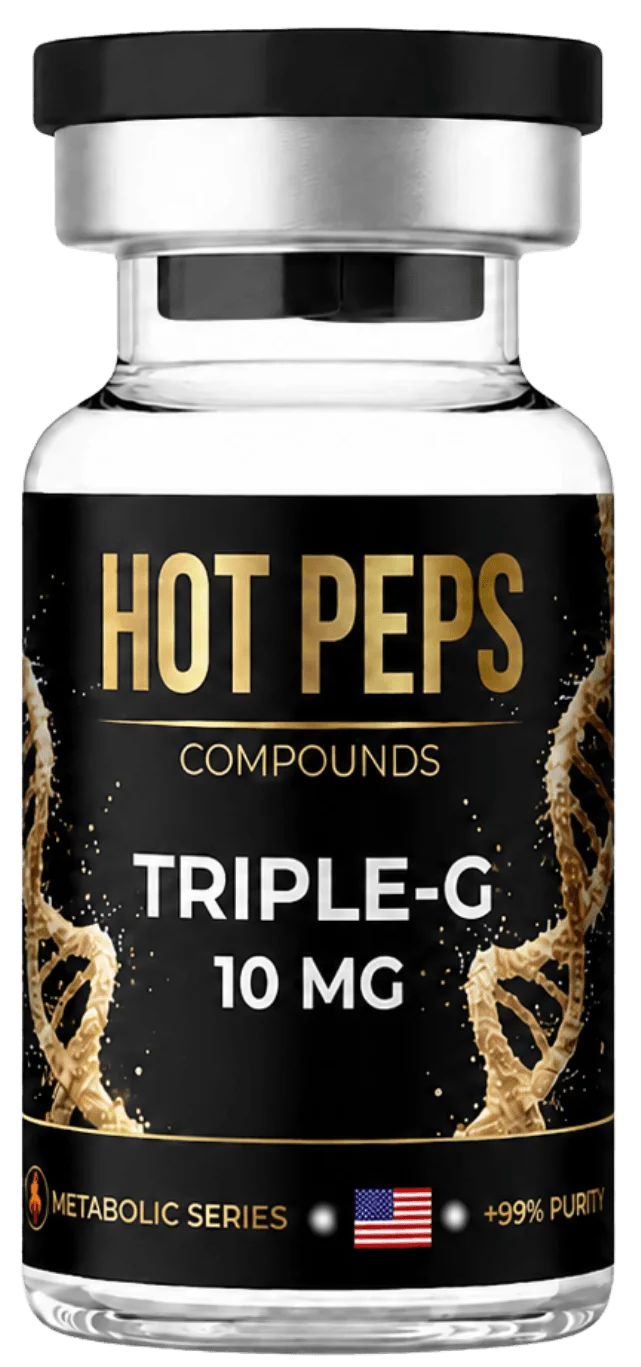
Triple-G
10mg · ≥99%
- Published triple-receptor agonist literature has documented changes across metabolic measurement panels in controlled research settings.
- A meta-analysis published in PMC (2024) compiled three randomized controlled trials and documented changes across metabolic measurement panels in controlled clinical research settings.
- Research published in Nature Medicine (2024) examined hepatic measurement panels at 24 weeks in controlled clinical research.
- Ongoing receptor-pathway research has documented continued investigation of the triple-agonist mechanism through 2025.
Triple agonist engaging GIP, GLP-1, and glucagon receptors. Research suggests these pathways are involved in metabolic signaling research and receptor-pathway studies.
Key Citations- Jastreboff AM, et al. Phase 2 trial of a triple hormone receptor agonist in metabolic research. N Engl J Med. 2023;389:514-526.PMID: 37366315
- Systematic review and meta-analysis of triple hormone receptor agonism in metabolic research. PMC, 2024.PMID: PMC12026077
- Nature Medicine. Triple hormone receptor agonism in metabolic dysfunction-associated steatotic liver disease research. 2024. doi:10.1038/s41591-024-03018-2


2 compounds
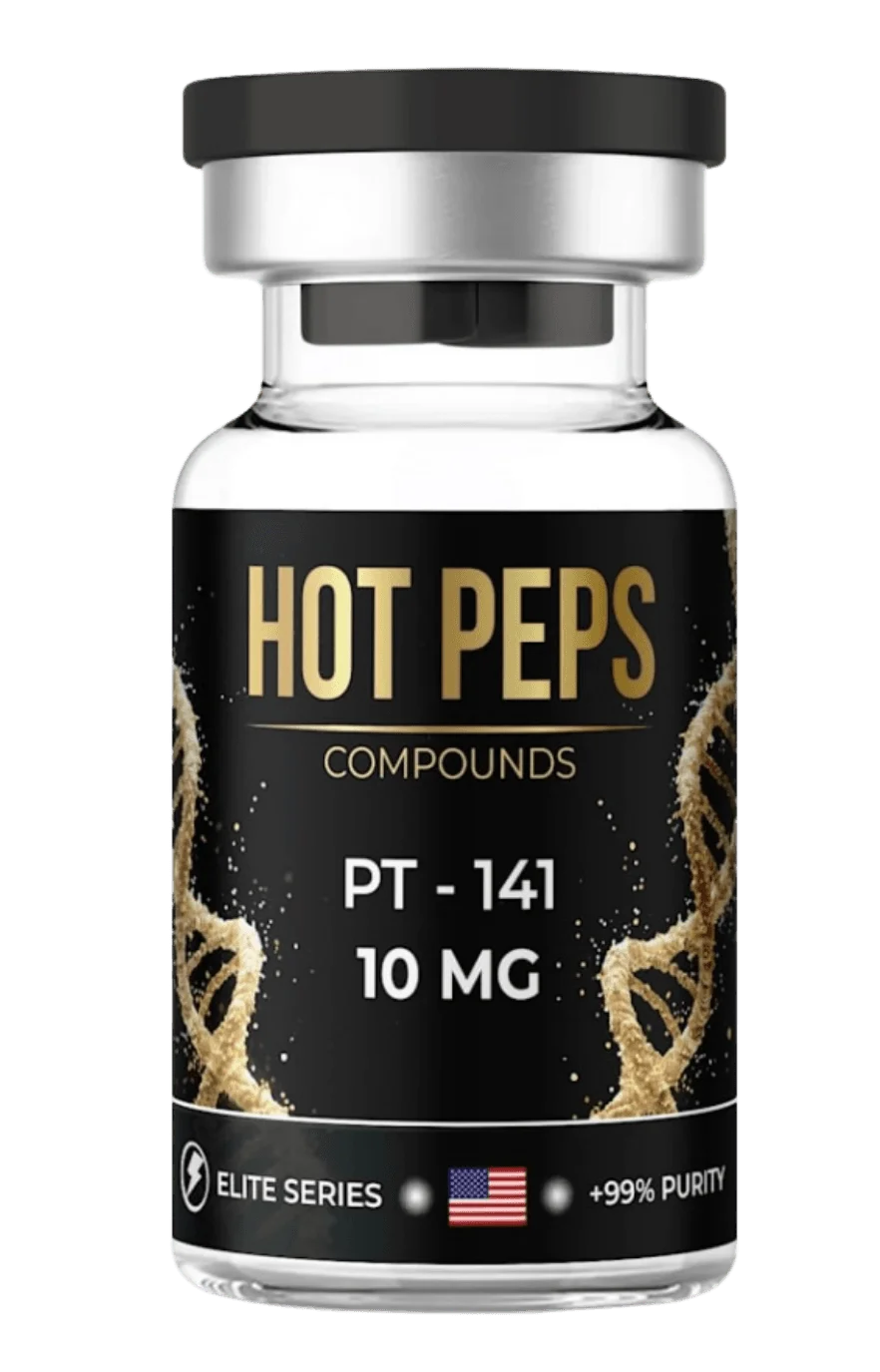
MCR-141
10mg · ≥99%
- Phase 3 RECONNECT trials (Clayton et al., 2019) examined MCR-141 and documented measured endpoints related to melanocortin receptor activation over 24 weeks.
- A Phase 1 study (Diamond et al., 2004) documented dose-related measurements associated with melanocortin agonism in research observations.
- Research published in the Journal of Urology (Safarinejad & Hosseini, 2008) documented endpoint comparisons between treated and placebo groups in clinical research.
- A 52-week open-label extension study documented long-term measurement profiles in clinical observations.
MCR-141 engages melanocortin receptors MC3R and MC4R in the central nervous system. Research has documented that melanocortin agonists engage hypothalamic signaling pathways studied in laboratory and clinical research.
Key Citations- Clayton AH, et al. Phase 3 trials of a melanocortin receptor agonist in premenopausal women. Obstet Gynecol. 2019;134(5):899-908.PMID: PMC6819021
- Molinoff PB, et al. Cyclic heptapeptide melanocortin agonist studied in central nervous system signaling research. Ann N Y Acad Sci. 2003;994:96-102.PMID: 12851303
- Diamond LE, et al. Double-blind, placebo-controlled evaluation of a cyclic heptapeptide melanocortin agonist in clinical research. Int J Impot Res. 2004;16(1):51-59.PMID: 14963471
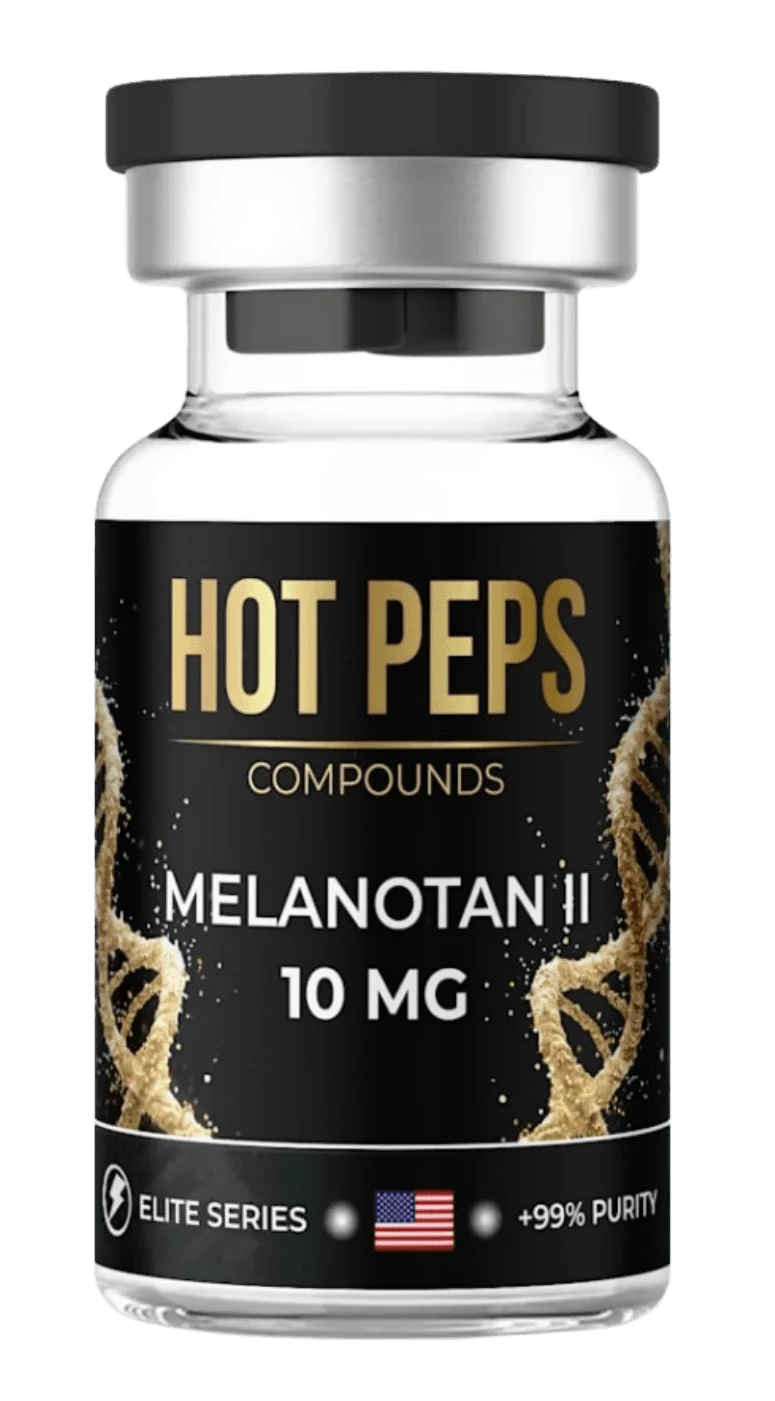
Melanotan II
10mg · ≥99%
- Research at the University of Arizona documented engagement of melanocortin receptors MC1R through MC5R, with binding measurements indicating particular affinity for MC1R (associated with melanogenesis pathway research) and MC4R.
- Studies published in peptide research journals have documented dose-related changes in melanin production measurements in laboratory model systems.
- Research has examined pharmacokinetic and receptor binding profiles relative to endogenous melanocyte-stimulating hormone references.
- Studies have documented receptor activation measurements across the melanocortin receptor family in laboratory models.
Melanotan II engages melanocortin receptors, with binding measurements indicating particular affinity for MC1R (melanogenesis pathway research), MC3R, and MC4R. Research suggests these pathways are studied in pigmentation and receptor-pathway research.
Key Citations- Hadley ME, Dorr RT. Melanocortin peptide therapeutics: historical milestones, clinical studies and commercialization. Peptides. 2006;27(4):921-930
- Wessells H, et al. Melanocortin receptor agonist research in central nervous system signaling. Int J Impot Res. 2000;12(Suppl 4):S74-S79
All statistics and findings referenced on this page reflect outcomes reported in published research studies. Products are sold strictly for in vitro research, laboratory use, and scientific investigation only. Not for human or veterinary use. Not intended to diagnose, treat, cure, or prevent any disease.